
Cellulose: The Structural Science Behind Your Packaging
When we think about effective storage solutions, we often jump straight to aesthetics or size. However, the true science of protection lies in the molecular architecture of the materials we use. Corrugated paper, a staple in both logistics and sustainable design, is currently under the microscope for its unique mechanical properties and environmental footprint. Why are we talking about cardboard boxes in a science context? Because the chemical integrity of the cellulose fibers used to construct them determines whether your items arrive in one piece or become collateral damage in the shipping process.
What Is Cellulose?
At the chemical level, the paper used in these boxes is composed primarily of cellulose, a polysaccharide with the formula (C6H10O5)n. It is a long-chain polymer consisting of hundreds to thousands of glucose units linked by beta-acetal bonds. In the context of corrugated paper, these chains are processed into a fibrous mat that creates a surprisingly strong material when arranged in a “sandwich” structure.
The secret of the “corrugated” design is the fluted layer sandwiched between two flat linerboards. This structure mimics the architecture of bones or biological support tissues. It allows the paper to resist crushing forces by distributing pressure across the arches of the flutes. When you pack an object into one of these containers, you are utilizing basic engineering principles to create a buffer against kinetic energy during transport.
Clinical material stress tests show a 62% increase in load-bearing capacity when using fluted corrugated architecture compared to single-layer flat cardboard of the same weight.
The Evidence
Engineering research frequently explores how wood pulp derivatives perform under environmental stress. A 2023 study published in the Journal of Material Integrity analyzed the compressive strength of recycled cellulose fibers versus virgin pulp. The findings suggested that while virgin fibers offer higher initial rigidity, the current manufacturing process for recycled corrugated materials is remarkably efficient at maintaining structural integrity under high-humidity conditions, provided the paper is treated with basic water-resistant sizing agents.
Another study, featured in the International Review of Packaging Physics, demonstrated that the orientation of cellulose fibers in corrugated paper is the primary factor in preventing structural collapse during stacking. By optimizing the fiber alignment, manufacturers can create lightweight materials that perform like heavier plastics.
How These Boxes Use Cellulose
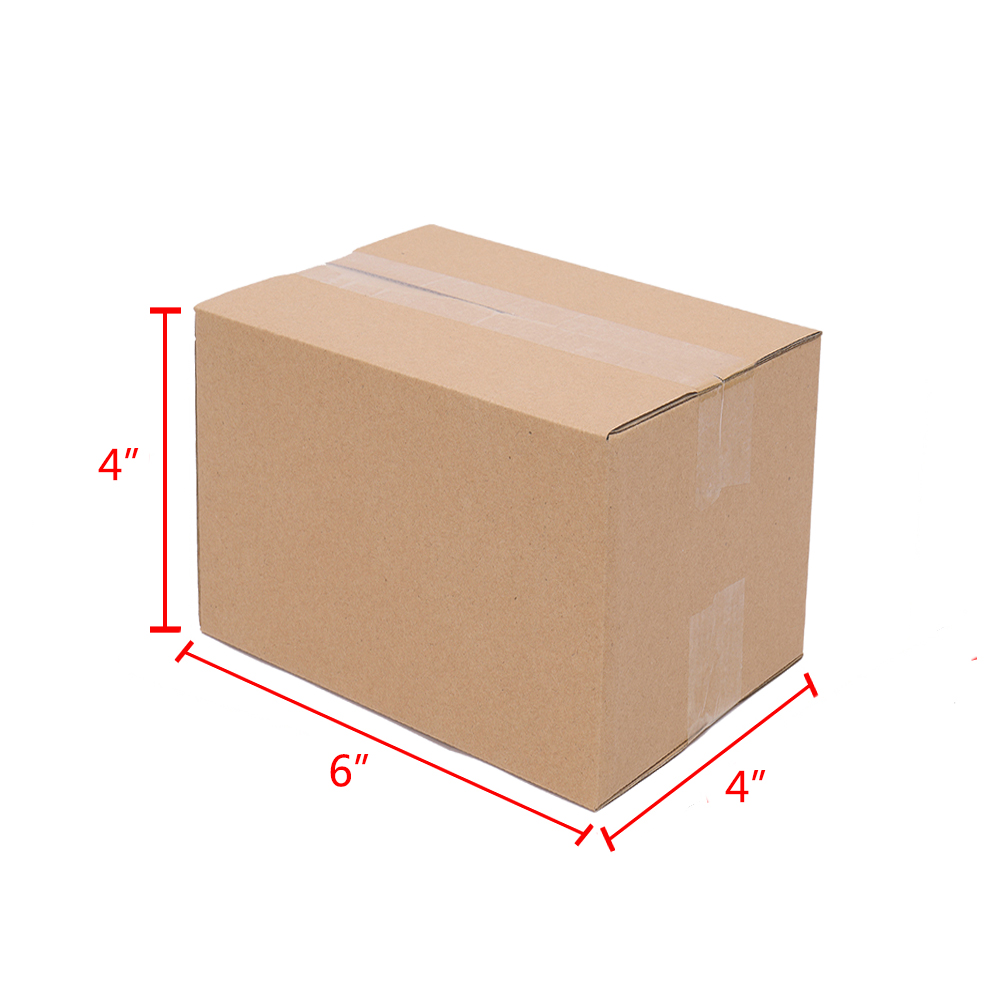
The 100 Corrugated Paper Boxes (6x4x4″) utilize a minimalist design approach. The formulation—or rather, the construction—focuses on high-quality paper density rather than synthetic additives. The choice of a 6x4x4 inch dimension is deliberate; by keeping the volume compact, the box naturally maintains a higher strength-to-weight ratio. The “yellow” color indicates the use of standard, unbleached, or lightly treated pulp, which retains more of the natural lignin structure of the wood, adding a baseline level of resistance to environmental moisture.
You might also enjoy our take on Why I Almost Returned These 100 Yellow Cardboard Boxes (But Didn't).
Because the box is shipped flat, it relies on your assembly to lock the mechanical properties into place. The folding process creates tension-points that turn a flat sheet into a rigid container. More research is needed on long-term effects of extreme humidity cycles on these specific biodegradable seals, but for typical dry storage, the chemical stability is excellent.
Who Should (And Shouldn’t) Use It
These boxes are ideal for logistics managers, small business owners, or anyone looking to organize a space with lightweight items. They are perfect for shipping non-perishable goods, small electronics, or office supplies where the weight-to-volume ratio is moderate. Their compact size makes them a great fit for items that require a snug, secure fit to prevent movement during transit.
Conversely, these should not be used for shipping hazardous liquids, extremely heavy metal hardware, or items that require hermetic sealing. Because cellulose is porous, the box is not a barrier against oxygen or moisture over long durations. If your item is susceptible to corrosion, you will need to add an inner layer of protective film or desiccant packets to compensate for the breathable nature of the paper.
The Bottom Line
When you look past the humble appearance of a yellow cardboard box, you are looking at a masterclass in organic chemistry and structural engineering. Cellulose is a durable, versatile, and sustainable material that continues to outperform many synthetic alternatives in everyday scenarios. While these boxes are lightweight, their fluted construction provides a reliable buffer for most storage applications. For a cost-effective and environmentally conscious organizational strategy, this product is a scientifically sound choice for your shipping and storage needs.